

What to expect at your
first HBOT session
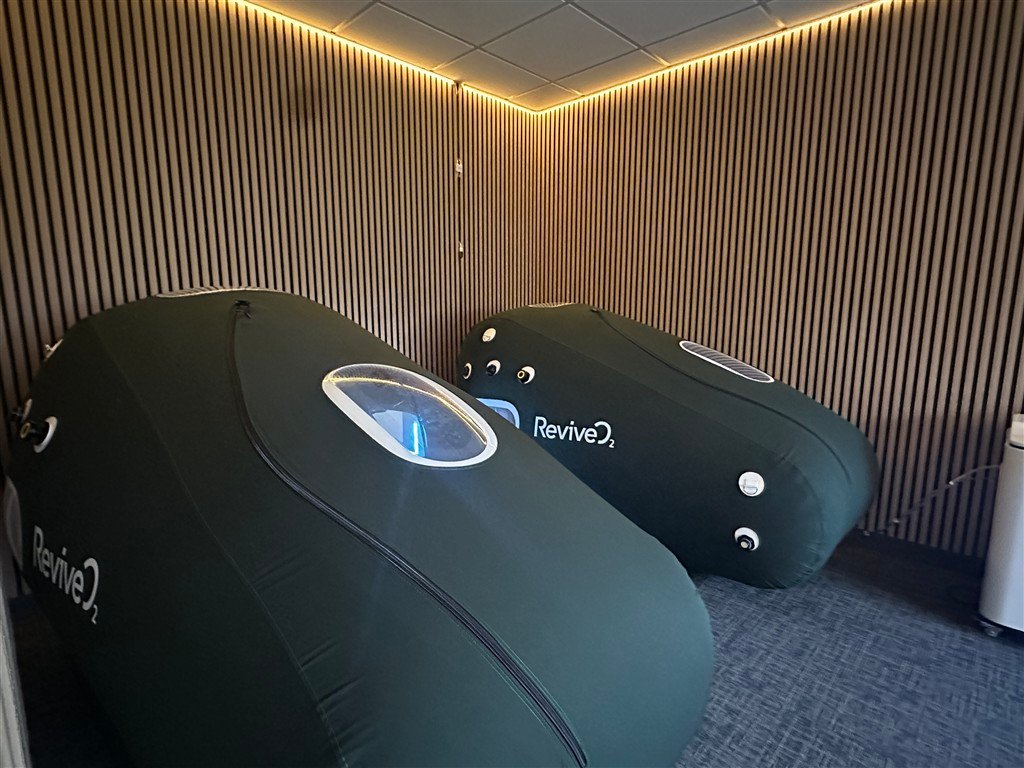
Your first HBOT (Hyperbaric Oxygen Therapy) session at ReviveO2 in Littlehampton runs about 65 minutes from arrival to leaving: 60 minutes inside the chamber at 1.5 ATA, plus 3 to 5 minutes either side for the gradual pressure change. This guide covers what to wear, what happens step by step, and how you might feel after.
- Total visit time: about 65 minutes
- Chamber time: 60 minutes at 1.5 ATA
- Location: Office 46, Bizspace, Courtwick Lane, Littlehampton BN17 7TL
- Parking: on-site at Bizspace, plus on-street nearby
- Best for: relaxation, post-workout recovery support, building a wellness routine
- Pause and check first if: you are unwell, have ear or sinus issues, or are unsure about a health condition
Before your first HBOT session: how to prepare
Arrive 5 minutes early on your first visit so you do not feel rushed. Your safety screening form is sent to you by email before your visit, so everything is checked in advance, not when you walk through the door. When you come in, we'll show you the space and walk you through what the session feels like.
Rescheduling is the right call if you have a cold, blocked sinuses, ear pain, or a chesty infection on the day. The reason is comfort: the small channel connecting your ear to the back of your throat, called the Eustachian tube, needs to open freely for pressure equalising to feel easy, and congestion blocks that.
Check with your GP first if you are unsure about a health condition or medication. Tell us in advance and we can guide you on whether you need clearance before you come in.
What to wear to an HBOT session
What to wear
- Loose cotton clothing: comfortable and breathable
- No synthetic fabrics: polyester, nylon, and spandex create static risk in oxygen-rich environments
- No metal jewellery or watches: remove before entering
- Remove shoes: you will be lying or reclining
What to bring
- Book or magazine: we provide these too
- Water bottle: we provide water, you are welcome to bring your own
- Calm mindset: arrive settled rather than rushing
- Any questions: we walk through everything before you start
What happens during an HBOT session at ReviveO2
An HBOT session at ReviveO2 has four phases: arrival and check-in, gradual pressurisation, the 60-minute steady phase at 1.5 ATA, and the gradual return to normal pressure. Tap each phase below to see exactly what happens, what you'll feel, and how long it takes.
Click through each phase to see what happens and what to expect. Phase 4 links directly to booking.
How you might feel after your first HBOT session
Three responses are common after a first session: a calm, relaxed feeling; a clearer-headed alertness; or no noticeable change at all. All three are normal first-session experiences.
One session shows you what 1.5 ATA feels like inside the chamber. The cumulative oxygen exposure builds across multiple sessions, which is why most clients book a 4-session or 8-session package after their first visit, especially when the goal is general wellbeing support and recovery.
Most clients go straight back to their day. Drink water afterwards and take a moment before heading out. Sit for a minute and take your time if you feel a little light-headed.
Drag the pressure slider below to see how oxygen behaves at different pressures, from sea-level air to wellness HBOT and beyond. The right panel shows what happens to your blood and tissue at each level.
According to Henry's Law (Henry, 1803), gas dissolves into liquid in direct proportion to the partial pressure applied. During your 60-minute session at 1.5 ATA breathing 100% oxygen, plasma-dissolved oxygen rises from roughly 0.3 ml per 100ml of blood at normal sea-level air to approximately 4.5 ml per 100ml: a 15-fold increase in oxygen carried by the plasma alone, reaching tissue red blood cells cannot access under normal pressure.
Who should not do HBOT: contraindications to check first
HBOT is not suitable for every person. Pause and check first if you are unsure. Do not attend if you have symptoms requiring urgent medical care or a suspected collapsed lung (pneumothorax), which is the absolute contraindication for any hyperbaric session.
Check with your GP before booking if any of the following apply to you, including but not limited to: pregnancy, uncontrolled medical conditions, recent ear or lung surgery, or current concerns about a medication. Every client completes a safety screening form sent by email before their first visit, so any questions are caught before you arrive. Read the full HBOT contraindications guide.
How to find ReviveO2 Littlehampton and parking
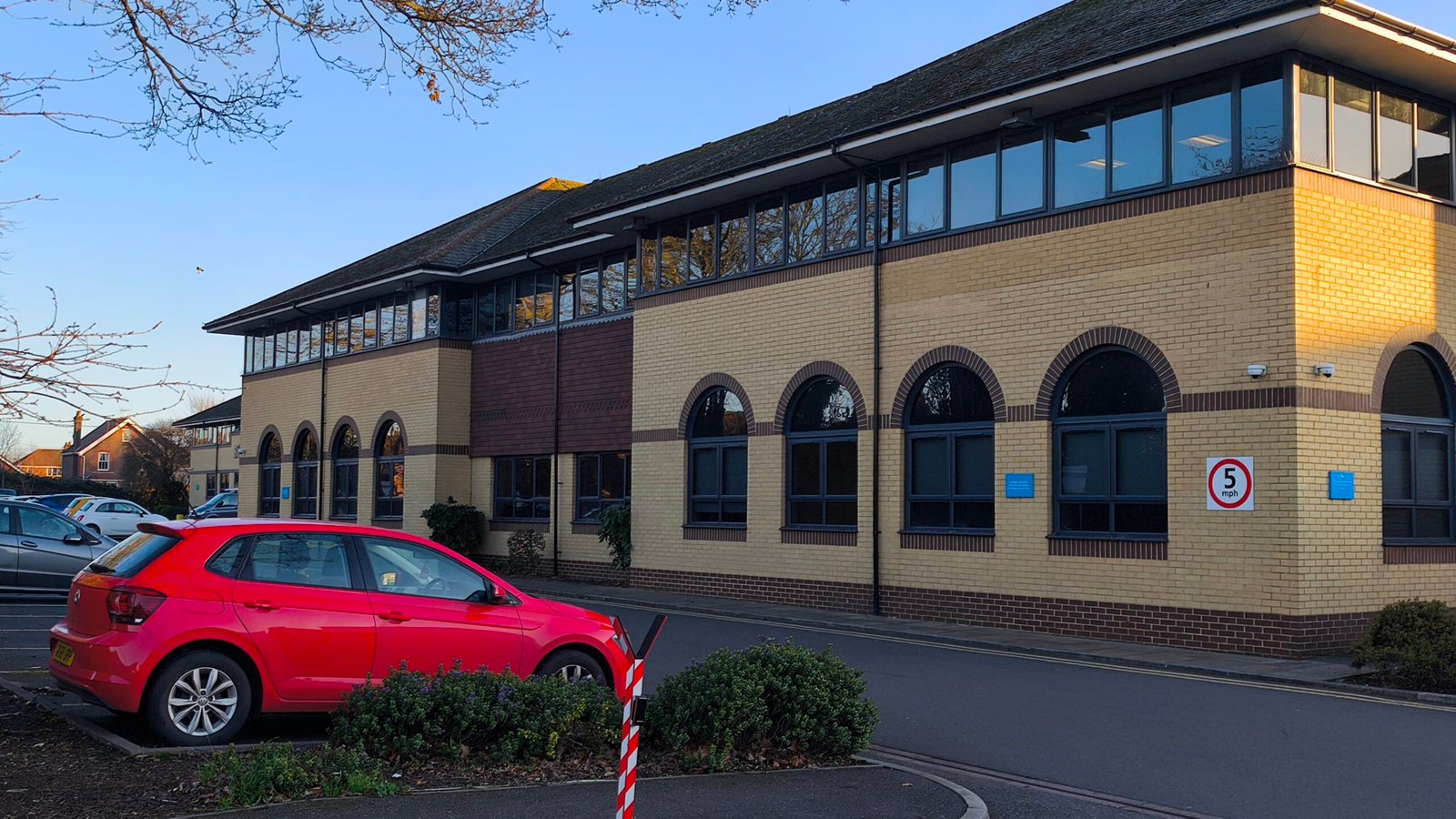
ReviveO2 is at Office 46, Bizspace, Courtwick Lane, Littlehampton BN17 7TL. We serve clients from West Sussex towns including Littlehampton, Worthing, Rustington, East Preston, Arundel, Bognor Regis, and Chichester.
On-site parking is available at Bizspace, with on-street parking on Courtwick Lane nearby. The closest bus routes stop on Courtwick Lane if you are travelling by public transport.
Ready for your first session? Book online with safety screening sent by email before you arrive. No referral needed.
Book your first HBOT sessionFrequently asked questions
Related HBOT guides
Questions before booking? See package pricing on the memberships page, or book your intro session online.
Book a sessionReferences
- Henry, W. (1803). Experiments on the quantity of gases absorbed by water, at different temperatures, and under different pressures. Philosophical Transactions of the Royal Society of London, 93, 29-274.
- Undersea and Hyperbaric Medical Society. Indications for hyperbaric oxygen therapy. uhms.org
- NHS. Hyperbaric oxygen treatment. nhs.uk
- Mayo Clinic. Hyperbaric oxygen therapy. mayoclinic.org
- DDRC Healthcare. Diving Diseases Research Centre, Plymouth. ddrc.org